Arduino Nano 33 BLE Sense Overview

Arduino Nano 33 BLE Sense Overview

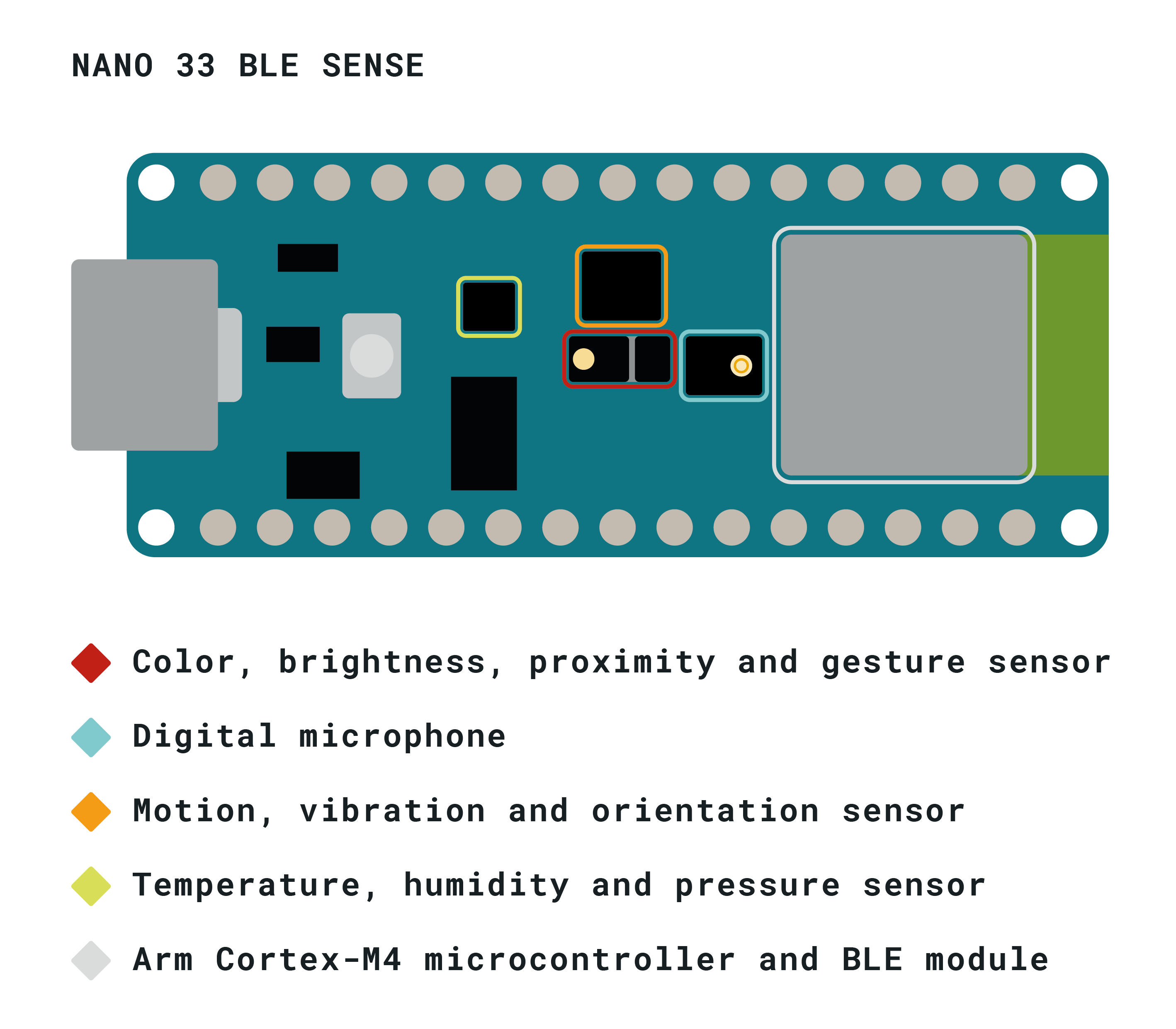
The Arduino Nano 33 BLE Sense is an evolution of the traditional Arduino Nano, but featuring a lot more powerful processor, the nRF52840 from Nordic Semiconductors, a 32-bit ARM® Cortex™-M4 CPU running at 64 MHz. This will allow you to make larger programs than with the Arduino Uno (it has 1MB of program memory, 32 times bigger), and with a lot more variables (the RAM is 128 times bigger). The main processor includes other amazing features like Bluetooth® pairing via NFC and ultra low power consumption modes. - ARDUINO NANO 33 BLE SENSE Official WebsiteBuy the Arduino Nano 33 BLE Sense: ...
July 7, 2020 · 13 min · Gilbert Tanner
Getting Started With NVIDIA Jetson Nano Developer Kit

Getting Started With NVIDIA Jetson Nano Developer Kit

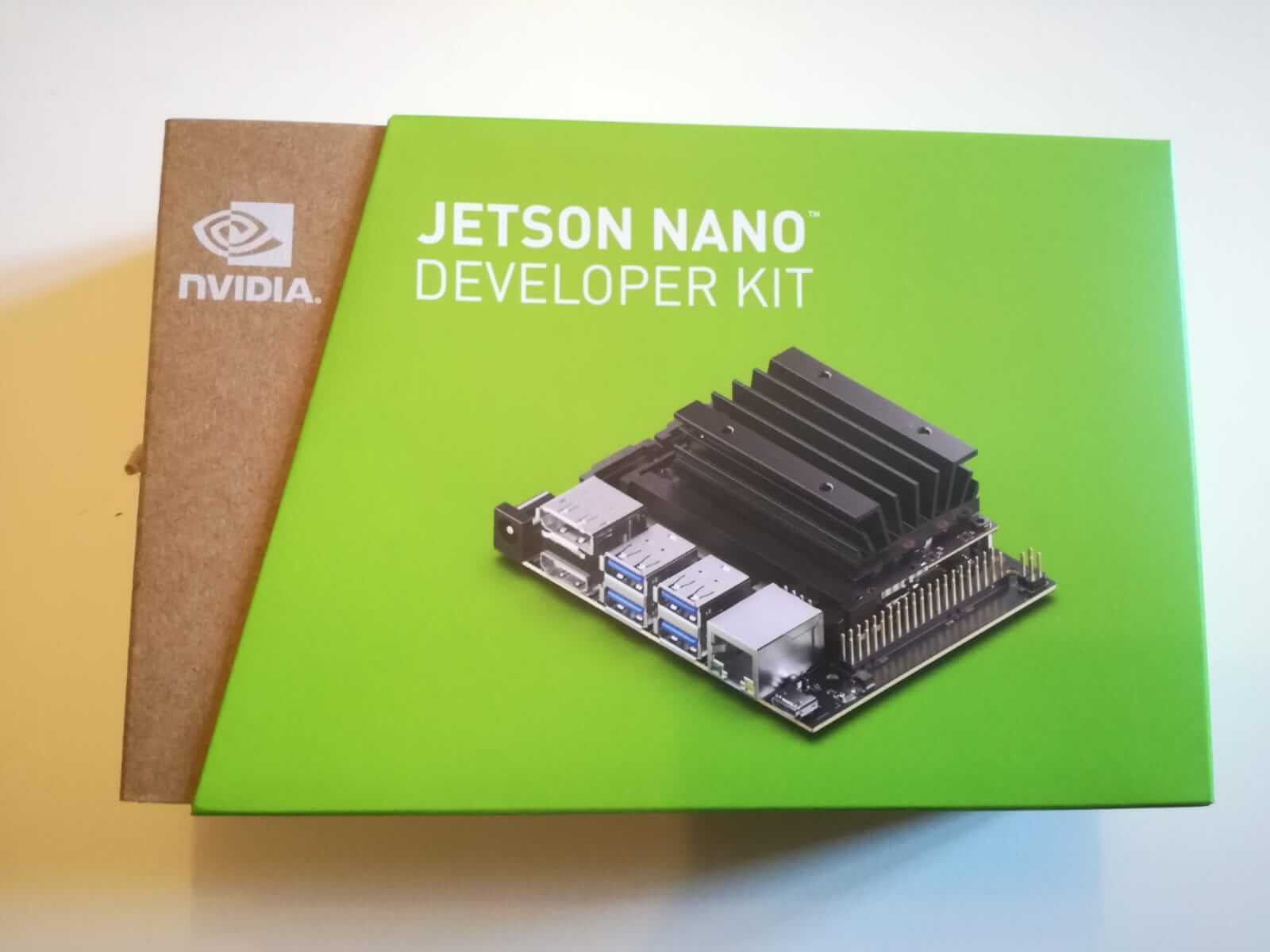
The NVIDIA Jetson Nano Developer Kit is a small edge computer for AI development. In this article, you'll learn how to get started with the Jetson Nano, including: Jetson Nano OverviewRequirementsSetupInstalling prerequisites and configuring your Python environmentInstalling deep learning librariesCompiling and installing Jetson InferenceRunning the Jetson Inference demos Overview Figure 1: Jetson Nano InterfacesThe Jetson Nano Developer Kit packs a Quad-core ARM A57 CPU with a clock rate of 1.43GHz and 4GB of low-power DDR4 memory. For the connectors, it has 4x USB 3.0, 1xUSB2.0 Micro-B for powering with 5V, an HDMI and Display Port connector for connecting displays, as well as one or two camera connectors that allow you to connect a Raspberry Pi Camera. ...

June 15, 2020 · 8 min · Gilbert Tanner
Getting started with LoraWAN and The Things Stack

Getting started with LoraWAN and The Things Stack

The LoRaWAN® specification is a Low Power, Wide Area (LPWA) networking protocol designed to wirelessly connect battery operated 'things' to the internet in regional, national or global networks, and targets key Internet of Things (IoT) requirements such as bi-directional communication, end-to-end security, mobility and localization services. - Lora AllianceThe Things Stack (TTS) is a project dedicated to building an open, free, and decentralized internet of things network. In this article, I'll walk you through creating a TTS account, sending data to TTS using an Heltec ESP32 LoRa V2 board, and retrieving that data using MQTT. ...

February 26, 2020 · 8 min · Gilbert Tanner
Introduction to LoRa

Introduction to LoRa

Today I decided to do something different. Instead of the usual machine learning content, I decided to write about LoRa, a long-range, low-power wireless communication technology, which I took a look at the last couple of days. This article will give you a basic overview of what LoRa is and what it can be used for. Furthermore, I'll show you how to do point-to-point communication using two ESP32 and two RFM95 LoRa modules. In another article, I plan to cover how to use LoRaWAN with The Things Network. If you want to see more engineering articles like this, be sure to let me know. ...

February 17, 2020 · 5 min · Gilbert Tanner
Google Coral USB Accelerator Introduction

Google Coral USB Accelerator Introduction

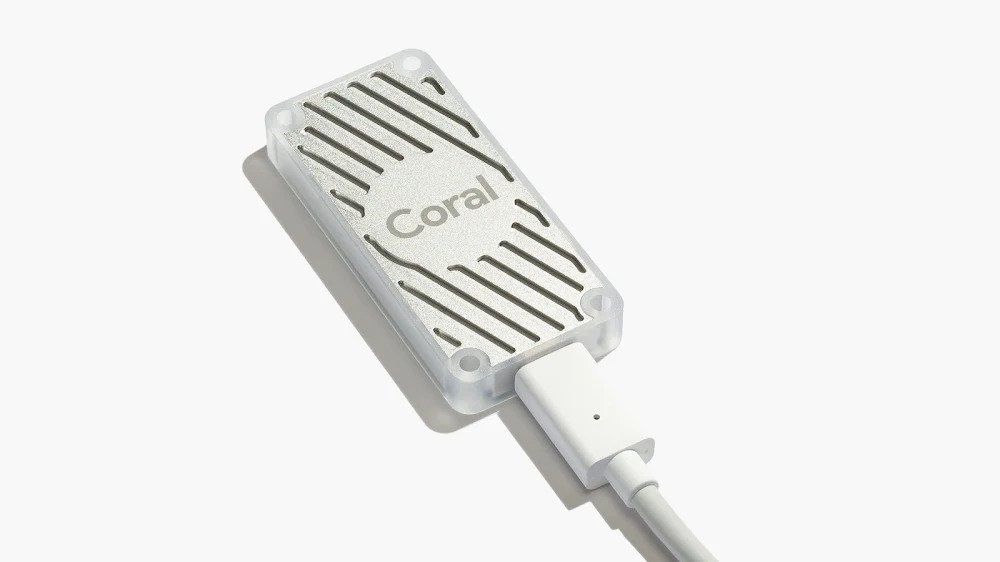
Last year at the Google Next conference, Google announced that they are building two new hardware products around their Edge TPUs. Their purpose is to allow edge devices like the Raspberry Pi or other microcontrollers to exploit the power of artificial intelligence applications such as image classification and object detection by enabling them to run inference of pre-trained Tensorflow Lite models locally on their own hardware. This is not only more secure than having a cloud server that serves machine-learning requests, but it also can reduce latency quite a bit. ...

May 27, 2019 · 9 min · Gilbert Tanner